What Makes You Tick?

IMG_2049(1)“Paul, called by the will of God to be an apostle of Christ Jesus, and our brother Sosthenes; To the church of God that is in Corinth, to those sanctified in Christ Jesus, called to be saints together with all those who in every place call upon the name of our Lord Jesus Christ, both their Lord and ours: Grace to you and peace from God our Father and the Lord Jesus Christ.” 1 Corinthians 1:1-3

If you want to know what a person is really passionate about, just listen to them as they speak. It doesn’t take very long to figure out what makes them tick; it’s that one thing they continue to bring up repeatedly. If there is any doubt as to what makes the apostle Paul tick, all we need to do is read the introduction and opening salutations of his first letter to the Church at Corinth. In particular, notice whose name continues to be lifted up.

Paul was zealous for his faith in Christ and eager to share the good news of God’s salvation throughout his known world. Being among God’s people and rejoicing in the promise of life in God’s kingdom is most certainly what fueled Paul’s fire. Throughout his missionary journeys, Paul endured hardship, imprisonment and even shipwrecks, yet nothing seemed to dampen his excitement for telling others about the power of God’s love made manifest in Christ’s victory over sin and death.

The gospel is a message of God’s perfect and unconditional love for his people. The news that sin no longer has the power to condemn those who have faith in Christ Jesus is too good to keep to ourselves. As people redeemed by Christ, we too are possessors of this good news. We have a wonderful gift to share with a world in need of God’s saving grace. Being among God’s people, in fellowship with the faithful and gathering for worship adds fuel for our fire just as it did for Paul. But once the fire is lit, we cannot sustain it by ourselves.

In his letter to the Corinthians, Paul teaches the Church that we need to remain steadfast in the hearing of the gospel. We need to share in the supper that is Christ’s body and blood and we need to live in faithful fellowship with all who share the gift of God’s grace and peace. As we live for ourselves, the fire burning within will certainly diminish.

Even faithful Christians need to hear the good news that God is active in their lives. We need to know and understand that no matter what may happen in this world, God’s grace and peace given through Christ Jesus cannot be overcome. In those times when we fall short of God’s expectation for us, we need to be reminded that our sins are forgiven and as such, God calls us all to be saints together in every time and place.

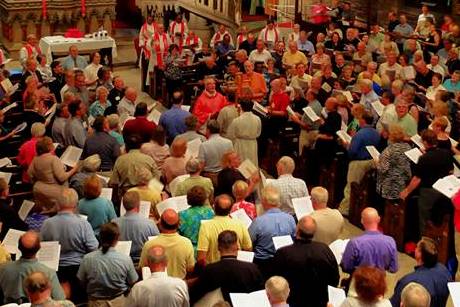
And so we too gather as did the Church in Paul’s time, in the name of Jesus in order to hear the message of the gospel. We too come to confess our sins, partake in the supper and receive the fullness of God’s mercy. There is no better place than to be in the presence of God and among his people. And so Paul greets us just as he greets those whom he writes to throughout the ages: “Grace to you and peace from God our Father and the Lord Jesus Christ.” Amen!


Posted in Evangelism, Fellowship | Tagged , , , , , , , , , , , | Leave a comment

Praying the Ten Commandments

DSC_0164 (2)As we read and study the Ten Commandments, is becomes increasingly evident that the other gods of our world are deeply entrenched, and do not plan on releasing their hold upon our lives. The gods of the world (greed, lust, contempt, etc…) promise us a life of fulfillment and joy, but in the end, they are the promises of emptiness and death. In order that we may live into the fullness of God’s will, we are reminded of God’s gift of his commandments:

You shall have no other Gods.
You shall not take the name of the Lord your God I vain.
Remember the Sabbath day to keep it holy.
Honor your father and mother.
You shall not kill.
You shall not commit adultery.
You shall not steal.
You shall not bear false witness against your neighbor.
You shall not covet your neighbor’s house.
You shall not covet your neighbor’s spouse, servant, cattle, or anything that is your neighbor’s.

In a short treatise concerning prayer, Martin Luther teaches the discipline of praying the Ten Commandments. As a practice in devotion and discipleship, study and reflect upon these commandments from God and each morning remember to pray the Ten Commandments.

Almighty and Everlasting God: you alone are God, there is no other. You have revealed yourself to us in many ways, through your creation, scripture and the prophets, and through your Son Jesus Christ.

You have also revealed yourself to us by name, so that we can call out to you in faith, hope, and love. Help us to always remember that you are with us.

Help us to keep the Sabbath, that we may gather in your name and give praise and thanks to you for all you have given us, our families, homes, and our health. Help us to share these gifts with all those in need.

We give thanks to you for our parents, our leaders, and all who are placed in authority by your hand. We ask that you provide them with wisdom and patience, and the ability to make sound decisions, governing according to your will.

Living God, we ask you to help us protect all life, being mindful not to harm others through our actions, or our words.

Bless us in our relationships, helping spouses to remain true to one another and live in the fullness of their love.

We ask that you give us the power to resist the temptation to take what is not ours, and to help us protect that which belongs to our neighbor.

Help us to speak well of our neighbors, protecting their reputation and standing in the community.

Help us to understand the fullness of your blessings, so that we do not desire those things that belong to our neighbor. Rather, give us the power to protect their possessions and to help them remain loyal to their husbands, wives and families.

Into your hands we commend ourselves all for whom we pray, trusting in your goodness and mercy, through your Son Jesus Christ, who lives and reigns with you and the Holy Spirit; one God now and forever. Amen!

Posted in Prayer, Ten Commandments | Tagged , , , | Leave a comment

Faithful in Relationships

???????????????????????????????“You shall not covet your neighbor’s house; you shall not covet your neighbor’s wife, or his male servant, or his female servant, or his ox, or his donkey, or anything that is your neighbor’s.” Exodus 20:17

God invites us to live a life of fullness as he promises to supply for our every need. Yet, because of sin, God also knows we are covetous people wanting more than what is healthy and good. The commandments against coveting provide necessary parameters for God’s people. The ninth commandment invites us to live a life of fullness depending on God’s abundance. We fail to keep this commandment when we compete with our neighbor for material goods, comfort and status. Yet, not only are we consumers and competitive beings, we are also sexual beings. The desire for competition and conquest also permeates our relationships. Thus, God said, “…you shall not covet your neighbor’s wife, or his male servant, or his female servant, or his ox, or his donkey, or anything that is your neighbor’s” (Exodus 20:17).

The tenth commandment teaches that we are not to covet our neighbor’s spouse, yet all too often we learn of extra marital affairs between friends and fellow co-workers. There are endless examples and instances where a husband or wife engages in what is considered “innocent flirtation.” All too often, this leads to preoccupation, desire, and ultimately brokenness and divorce. This also happens with singles while dating. Such behavior often pits one friend against another in order to steal away a significant other from them. The bottom line is that because of sin and separation from God, we are covetous people. So what do we do? There can be but one response; love God.

In his explanation of these commandments against coveting, Martin Luther restates that we are to fear and love God above all things, above our desire for status, our desire for material goods and especially our desire for another’s spouse. We are to remain steadfast in our relationships and loyal to our neighbor. God continues to provide for our every need. As we love God above all else, our wants will not take precedence, our status continues as children of God and the love we share is an example of God’s desire for his people.

Lord God, keep us steadfast in our relationships, that we may live with fullness and joy as you continue to provide all we need. Amen.

Posted in Ten Commandments | Tagged , , , , , , , , , | Leave a comment

Wanting What We Need

DSC_0251[Jesus said] Whatever you ask in my name, this I will do, that the Father may be glorified in the Son. John 14:13

The present day world is a world of consumption; it is a world in which we are encouraged to gather up all that we can for ourselves. The notion is firmly planted in our minds that if we drive the right car, eat the right foods, and live in the right neighborhoods with the best schools, we will enjoy a better quality of life than those who do not. Living in such a world, the lines drawn between wants and needs becomes blurred. We are no longer satisfied with the basic necessities, we “need” more. In no time at all, the “gods of want” become most tempting. We yearn for the life and riches of others and strive for those things that are just beyond our reach.

This same consumerism tends to creep into our churches as well. People tend to shop for houses of worship just as they might shop for the right school or other social activity. We ask questions; “What sort of programs do you offer?” “What is the style of your service?” Are there activities for our children?” Congregations also, as they compare themselves to others, hope to be more like the larger more popular church down the street; teeming with activity and filled with younger people participating in dynamic activities.

The truth be told, as we continue to place too high of priority on fulfilling our desires and being in competition with our neighbors, we will never experience the fullness of life we crave. We will always fall short because the more we seem to accumulate, the more the world will demand. The eighth commandment teaches us “You shall not covet your neighbor’s house” (Exodus 20:17). Coveting our neighbor’s property, desiring more than what is necessary and expecting those desires to be met is the tip of the iceberg that leads to discontent and emptiness.

In all aspects of life, God must be at the center of our wants, for it is God who fulfills our need.  Jesus teaches that whatever we ask in his name, he will do. It’s the asking in Jesus’ name that is central. As we remember Christ’s example of love for his neighbor, service to those in need and his self-giving sacrifice of the cross, we are afforded the proper perspective for our asking. Keeping Christ at the center of our lives, we ask for that which God sees we need. As we ask through faith, God will provide those things that are good and wholesome for us to live according to his will.

Generous God, help us to see your goodness and make us content with all that you provide, so that what we want is in accordance with your will. Amen.

Posted in Ten Commandments | Tagged , , , , , , , , | Leave a comment

Sticks and Stones

gospel procession[Jesus said] “How can you say to your brother, ‘Let me take the speck out of your eye,’ when there is the log in your own eye? You hypocrite, first take the log out of your own eye, and then you will see clearly to take the speck out of your brother’s eye.” Matthew 7:4-5

All too often, the words we use harm others. Humans find it simple to engage in gossip and give credence to rumors, but it isn’t as simple to undo the harm that results from such practice. The sad truth is that our words hurt others, and try as we might we cannot take them back once they are said. In this sense, the old saying about sticks and stones can’t be farther from the truth; words do in fact hurt others.

God said, “You shall not bear false witness against your neighbor” (Exodus 20:16). Yet we continue to offend, wrongly accuse, or simply pass along rumors. We point out the sins of others, judge them according to our standard and build ourselves up by tearing others down. All too often, we do all of these with mere words. Yet, according to Martin Luther’s Small Catechism, the eighth commandment means that “we are to fear and love God so that we do not betray, slander, or lie about our neighbors, but defend them, speak well of them, and explain their actions in the kindest way.” But how are we to do this when we feel that we ourselves have been offended?

Well, first of all, we need to pay attention to the first seven words of the explanation; “We are to fear and love God.” Fearing and loving God is central to living out our covenantal relationship with God and also with our neighbor. The Father understands our sinfulness. In his mercy he sent us Jesus through whom God grants forgiveness and grace. Living as forgiven people, God calls us to follow the example of Christ, loving one another just as God loves us.

We are all sinners and fall short of God’s glory. We all have used words to harm others whether we realize it or not. Yet, in God’s giving of the eighth commandment, we are invited to live in community with our neighbors. As people of God we are to strive to build up our neighbor and speak well of them. In light of our covenant with God, let us all live the life that God is calling us to live. Pray for those whose reputation or image is harmed by the words of others. Pray for those who seek reconciliation, and pray that we ourselves might be strengthened to resist the temptations of harming others with our words.

Holy God, give us the power to resist temptation, to forgive as we are forgiven and to love as we are loved; in Jesus’ name, Amen.

Posted in Ten Commandments | Tagged , , , , , , , | Leave a comment